
When Were Vapes Invented? A History of E-Cigarettes
This article was written by Molly Dyson | Published: May 20, 2015 | Last updated: April 28, 2026
When were vapes invented? It’s a question many curious vapers ask, especially as e-cigarettes have rapidly become a common sight in everyday life. While vaping may seem like a relatively modern trend, the idea behind it dates back several decades. The evolution of the vape has been shaped by technological innovation, public health discussions and shifting attitudes towards smoking alternatives.
In this article, we’ll take a closer look at the fascinating history of e-cigarettes—from the first early concepts to the sophisticated devices we know today. Whether you're a seasoned vaper or just exploring the topic, understanding where vaping started can give you a whole new appreciation for how far it’s come.
1927: The First Electric Vapouriser Patent Is Filed
Back in the days when cars were still mostly steam-powered, American inventor Joseph Robinson filed a patent for an electric vapouriser.[1] While he intended for the device to be used for “medicinal compounds”, his idea for an electronically heated handheld vapouriser is strikingly similar to patents that were filed later specifically for nicotine delivery.
Robinson never brought his invention to market, even after the patent was granted in 1930, and thoughts on e-cigarettes stalled until more than three decades later.
1963: The Very First E-Cigarette Design
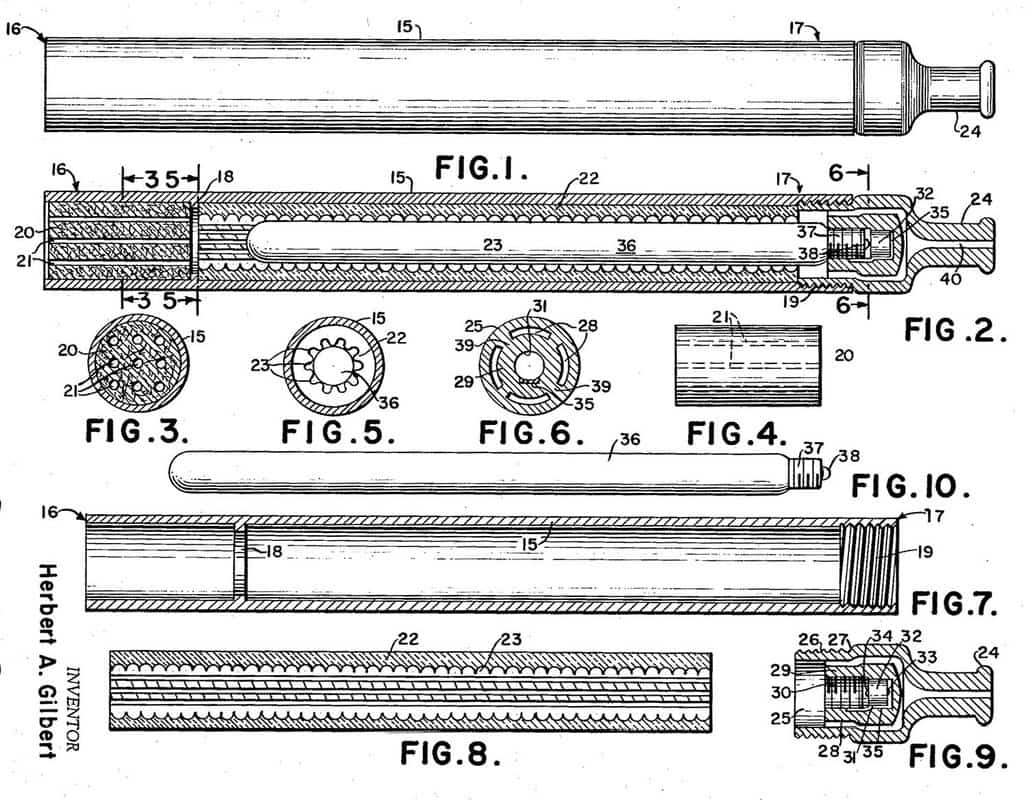
In 1963, a man named Herbert A Gilbert, who was aware of the health implications of smoking tobacco, filed a patent for an electronic smoking device.[2] Sadly for Herbert, cigarettes were very much a part of everyday life in the 60s and were widely accepted in the office, restaurants, aeroplanes—in almost all public places, even university classrooms. Unfortunately, Herbert's idea was before its time and there wasn't a market for his device.
1979: A Computer Pioneer Coins the Term Vape
In the late 1970s, Phil Ray, one of the names behind one of the first personal computer machines, worked with his physician Norman Jacobson on a commercialised version of the electronic cigarette. While the device did make it to major retailers, it was not a commercial success. However, Ray and Jacobson are largely credited with bringing the word “vape” into the English language.
Several other patents for nicotine devices were filed throughout the 1990s, but it would again be over 20 years before the modern e-cigarette was born.
2003: Hon Lik Develops the First E-Cigarette
In 2003, when people were much more aware of the damaging effects of smoking tobacco, pioneering Chinese pharmacist Hon Lik set about developing electronic cigarettes after losing his father to lung cancer. He created an electronic cigarette device that administered nicotine without the hundreds of harmful chemicals found in tobacco smoke, becoming widely known as the person who invented vapes. His e cig design enjoyed huge success in the Chinese market and soon began to filter into other countries, with the first ones being introduced in the UK in 2005 and then into the American market in 2007.
2008 and Beyond: Legal Battles and Research Collide
In 2008, the World Health Organization declared that e- cigarettes were not to be marketed as a smoking cessation aid, however it did not offer any suggestion towards whether they had a positive or negative effect, which paved the way for their continued popularity.
That being said, Turkey started a wave of bans on the sale and possession of e cigs in 2008, with Australia and Canada following in 2009.
In 2011, two major studies were published that supported the use of e-cigarettes as tools to stop smoking, but the US Food and Drug Administration (FDA) announced it would regulate e-cigarettes in the same way as traditional tobacco products. However, any product claiming to help users quit smoking were regulated as medical devices. That same year, British government advisors endorsed e cigs as smoking substitutes.
Our OK Cigalike launched in the UK market in July 2012.
2013 saw the introduction of official vape regulations in Europe, with amendments made to the EU’s Tobacco Products Directive (TPD) and the UK Medicines and Healthcare Products Regulatory Agency (MHRA) announcing it will regulate e cigs as medicines. The FDA followed in 2016 after several years of discussion with the vaping industry.
The world experienced more panic around vapes in 2019 when there were reports of a mysterious lung condition linked to vapes in the US. Eventually named E-cigarette or Vaping Associated Lung Injury (EVALI), the illness was later linked to illegal THC vapes, which were found to contain vitamin E acetate.[3]
Looking Ahead: What’s Next for Vaping?
In 2025, it’s estimated that there are around 5.5 million adult vapers in the UK alone.[4] With disposable vapes now banned for sale in the UK, the government is currently considering new legislation that could introduce restrictions on vape flavours as well as taxes on vaping products and a licensing scheme for retailers to help curb illegal sales to minors.
It’s unclear what the final Tobacco and Vapes Bill will include, but OK Vape remains at the ready to respond to any new legislation accordingly. We are proud to only sell products that comply with the law and will continue to do so. All our products are approved by the MHRA and meet the highest standards of quality and safety.
Check out our Information Hub for advice on all things vaping related, from choosing your first kit to keeping it clean.
And now you’ll have the answer next time someone asks: “When were vapes invented?”